Nonprofit Website & Mission Storytelling System
Built and independently managed a practical website, content, and mission-storytelling system for a volunteer-led nonprofit operating without a dedicated marketing budget or team.
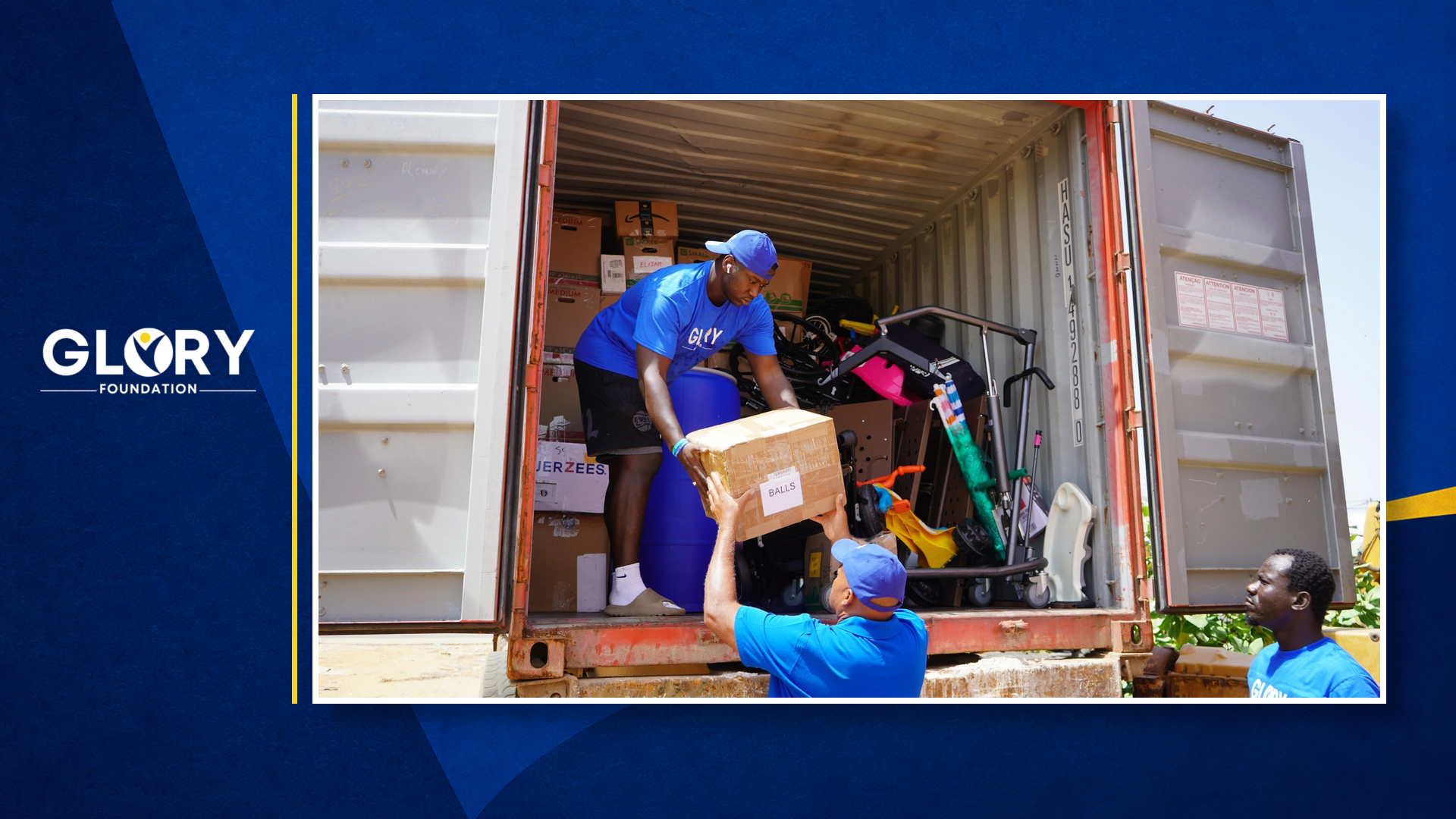
Overview
The Glory Foundation needed a stronger digital foundation for documenting and communicating its mission work across Philadelphia and international communities.
I developed a connected system spanning website publishing, SEO, written content, photography, video production, social media, analytics, and internal content operations. This gave the organization a more consistent way to turn mission activity into accessible stories, organize its media, and help supporters understand the work.
Problem / Opportunity
The Glory Foundation was carrying out meaningful community and international mission work, but it had limited capacity to consistently document, organize, and communicate that work online.
The organization did not have a dedicated marketing team or budget. Photographs, footage, mission updates, and organizational information needed to be transformed into useful website content, written stories, videos, and social media assets without relying on paid campaigns, specialized staff, or extensive production resources.
The opportunity was to create a practical digital system that one volunteer could maintain while helping supporters better understand the organization’s mission and impact.
Strategy
Because the project had no dedicated budget or team, the strategy prioritized sustainability over volume.
The system focused on:
- Using the website as the organization’s central source of information.
- Turning each mission or initiative into multiple reusable content assets.
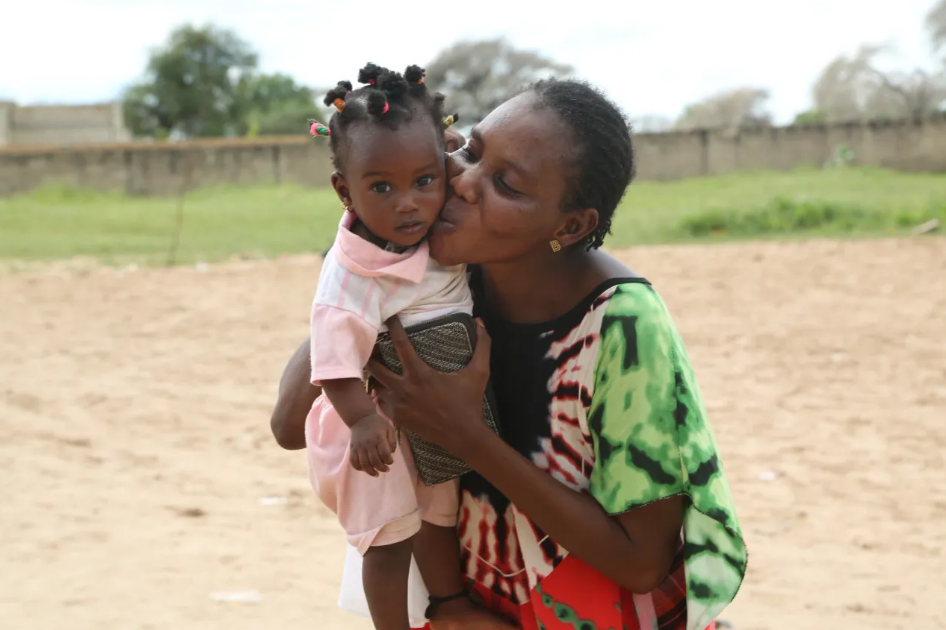
- Prioritizing authentic photography, video, and written documentation.
- Applying foundational SEO to improve long-term organic discoverability.
- Creating repeatable workflows that could be managed by one person.
- Using existing and accessible tools instead of adding unnecessary platforms or expenses.
Execution
Working independently as a volunteer, I manage the organization’s digital marketing and media work across several connected areas:
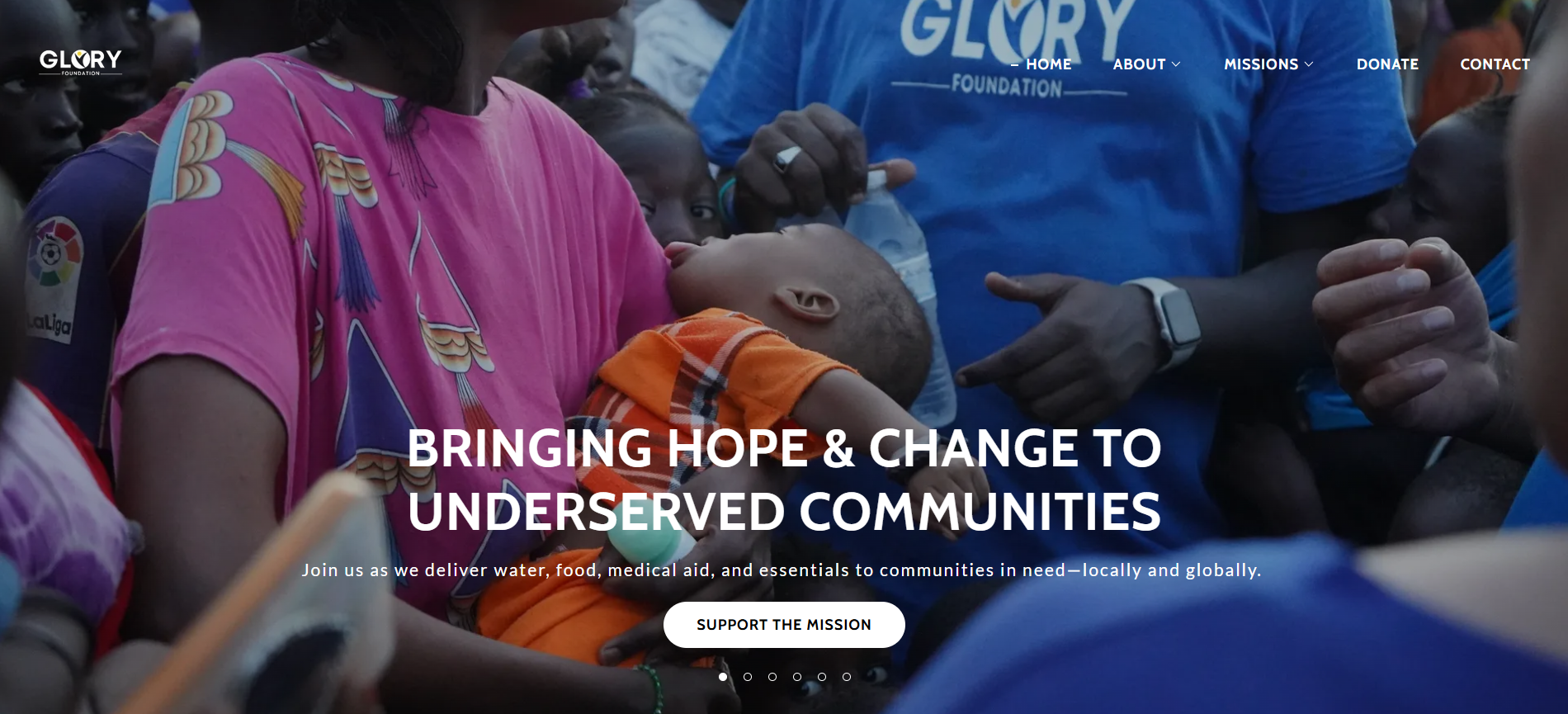
- Developed and maintain the organization’s website
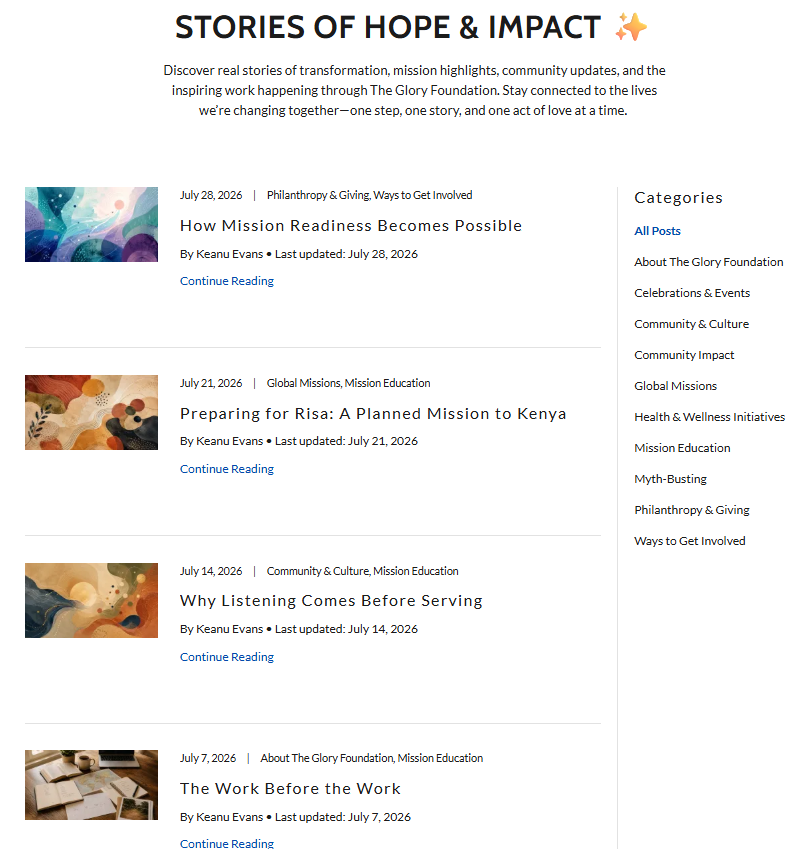
- Planned, wrote, and published 38 blog articles
- Implemented foundational on-page SEO
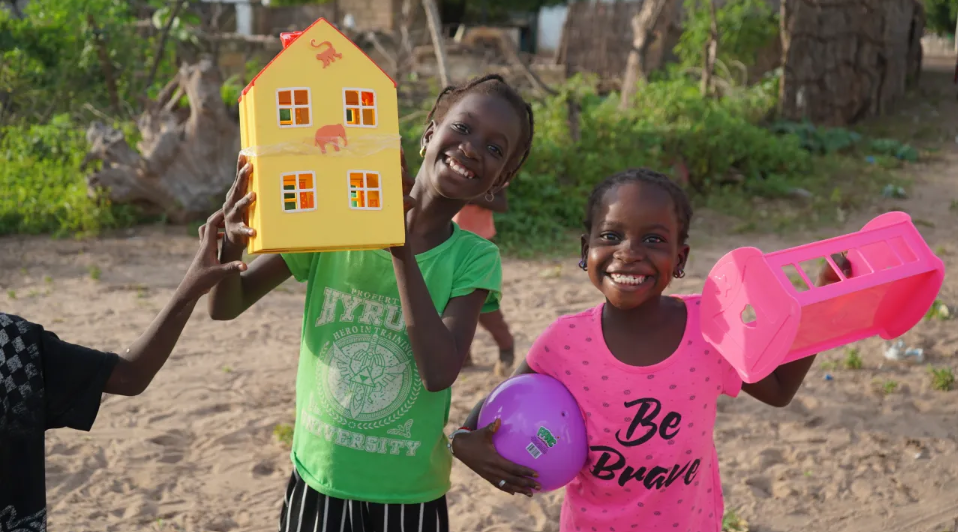
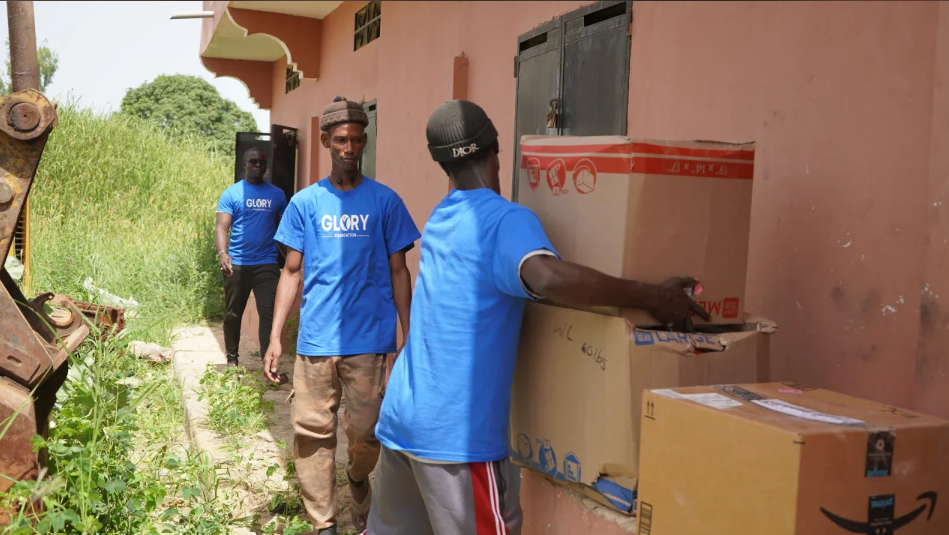
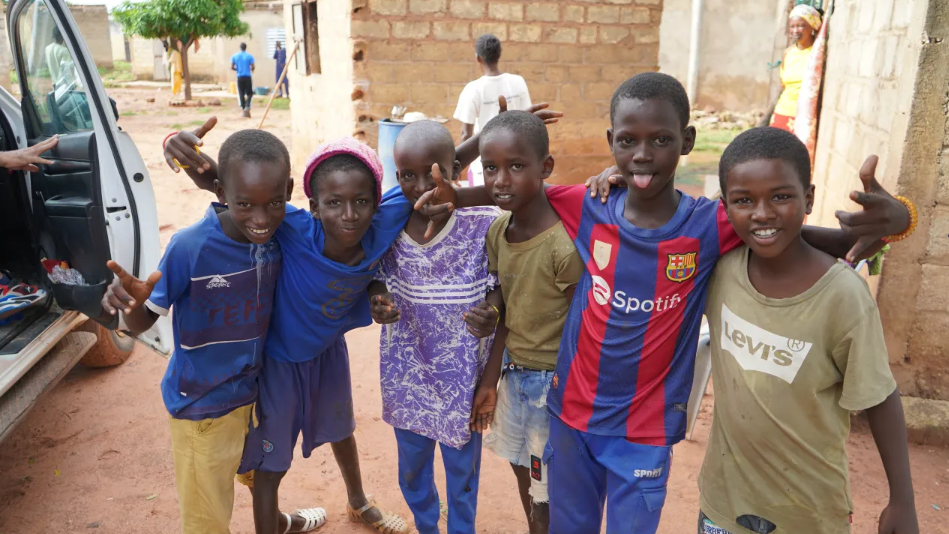
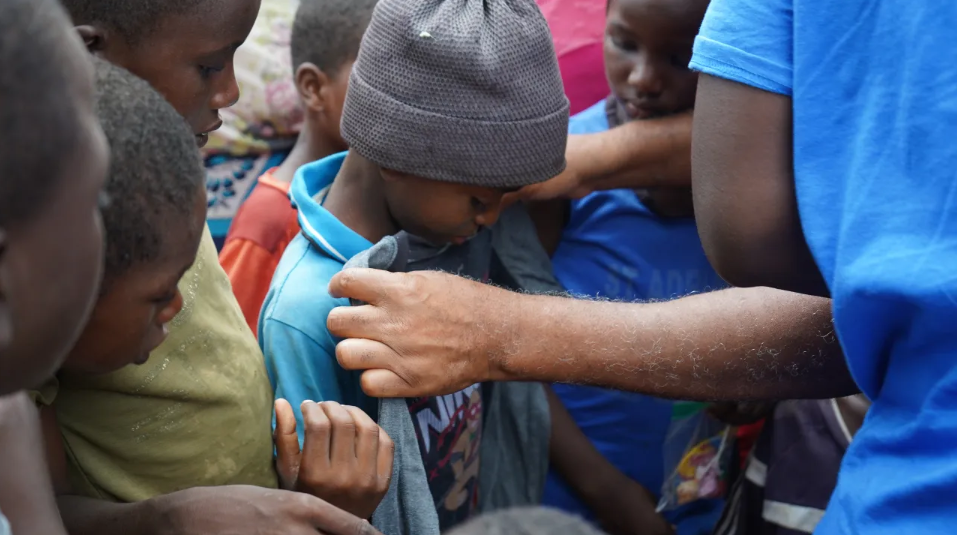
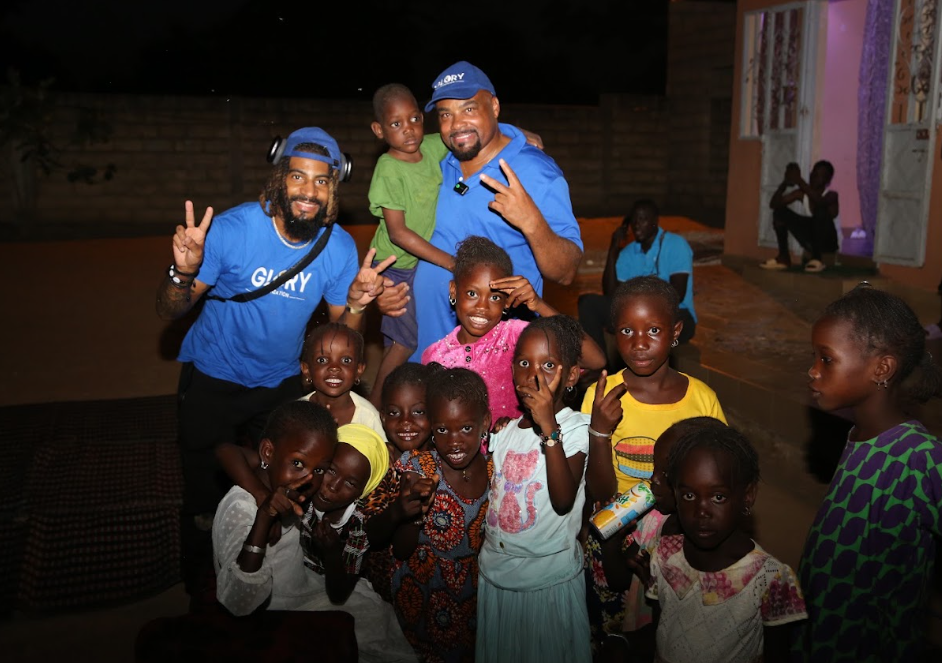
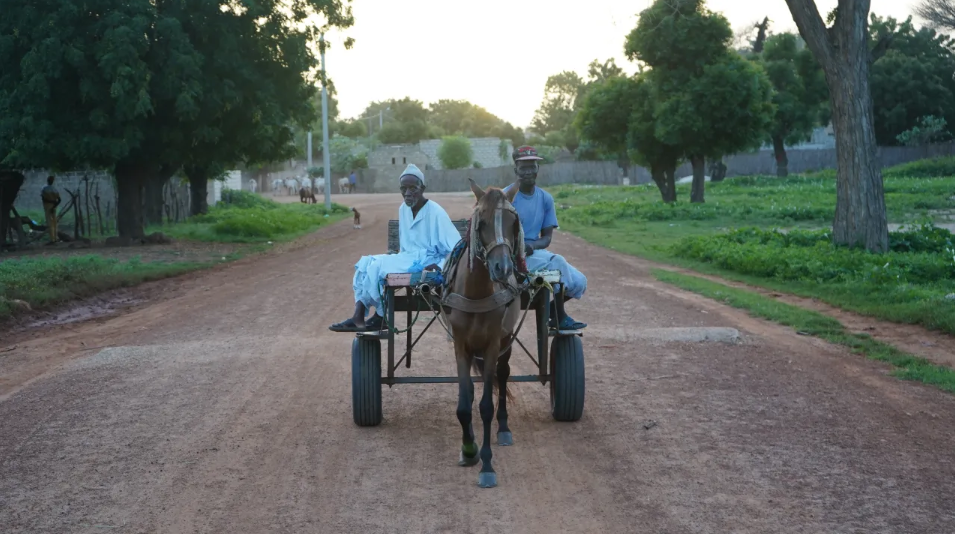
- Photographed and filmed the 2024 Senegal mission
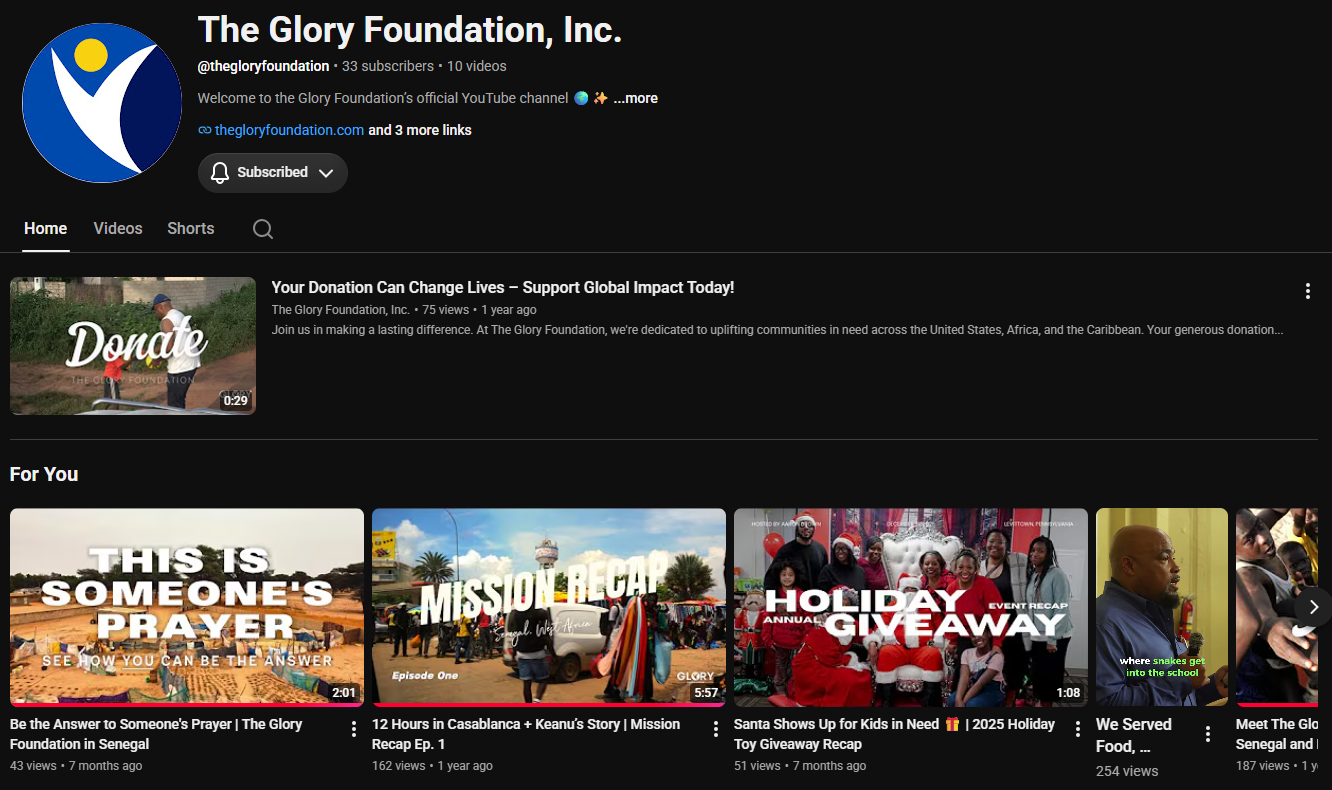
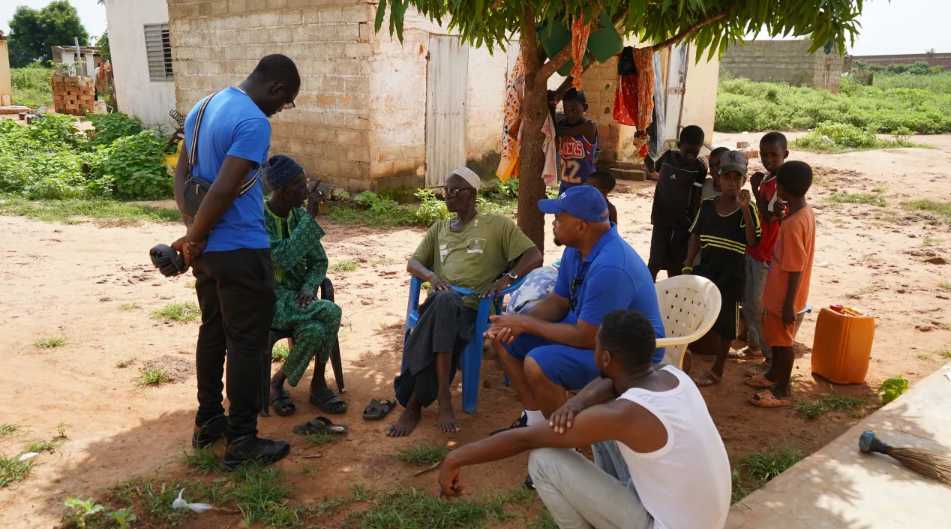
- Shot, edited, and published 12+ videos, including 10 YouTube productions
- Created mission recaps, interviews, and social media content
- Organized photographs and footage for future use
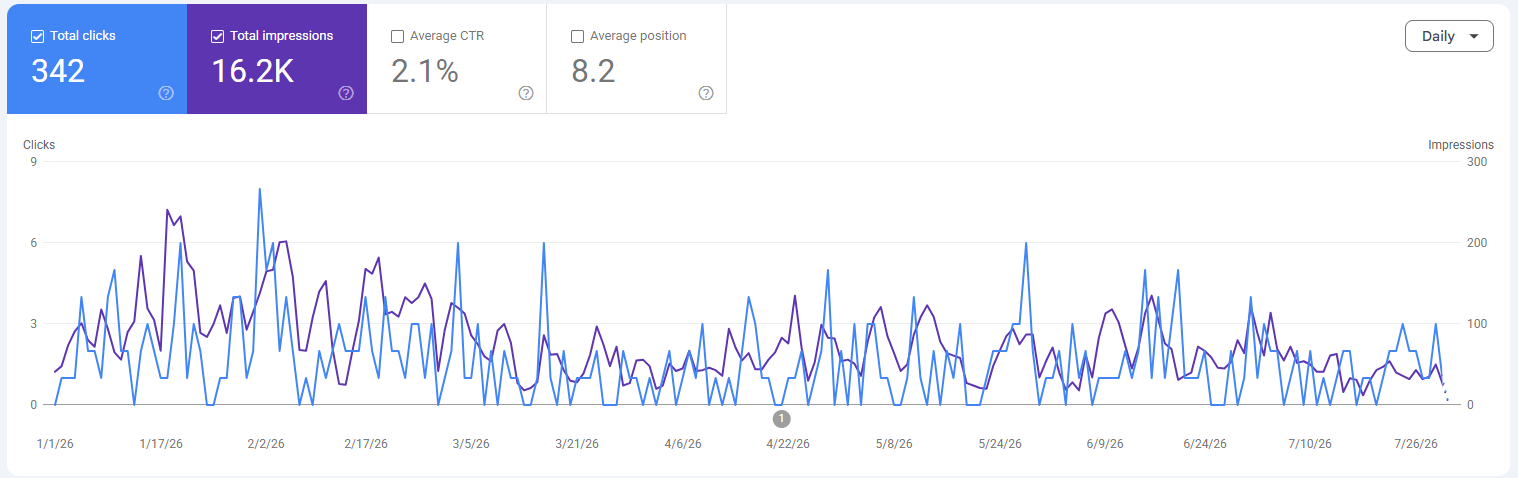
- Monitored website performance through Google Analytics 4 and Google Search Console
- Built a Notion workspace for content planning, media management, and nonprofit operations
- Established repeatable publishing and content-repurposing workflows
The system allows one documented mission or initiative to become a coordinated collection of website updates, articles, photographs, videos, and social content.
Results / Evidence
The project has created a more complete digital presence for communicating The Glory Foundation’s mission, documenting its work, and helping people discover the organization online.
Published output includes:
- 38 blog articles
- 12+ videos, including 10 YouTube productions
- Ongoing photography and social content
- Complete photography and video coverage of the 2024 Senegal mission
During a 16-month Google Search Console reporting period, the site generated:
- 24.5K Google Search impressions
- 683 Google Search clicks
Google Analytics reporting beginning in October 2024 recorded:
- 2.8K views
- 706 active users
- 9.1K events
- 523 new users
These figures reflect overall nonprofit website and content activity rather than outcomes attributable to a single article, video, SEO change, or campaign.
Reflection / Learning
This project strengthened my ability to prioritize and execute across multiple disciplines without a dedicated team, advertising budget, or extensive production resources.
The most important lesson was that a sustainable nonprofit marketing system must reflect the organization’s actual capacity. Instead of creating a strategy dependent on constant publishing or paid promotion, I focused on reusable content, organic visibility, authentic documentation, and workflows that one volunteer could realistically maintain.
It also reinforced the importance of responsible storytelling when representing the people and communities served by a nonprofit.
Key results at a glance.
Google Search Console figures reflect a 16-month reporting period. Google Analytics figures reflect reporting beginning in October 2024. Publishing output reflects the ongoing volunteer engagement. Results were influenced by content publishing, branded searches, mission activity, outreach, and audience interest. Marketing and media work was completed independently as a volunteer without a dedicated marketing team or budget.
More from the project.